


Celebrating Your Neurodivergent Child

Blog by Tariro Sibanda Neurodiversity is a beautiful tapestry of human variation that encompasses a wide range of neurological differences, including autism (ASD) and what used to be called Asperger’s, ADHD, dyslexia, and more. But it can be hard to parent a neurodivergent child! Each neurodivergent child is unique, possessing their own strengths, challenges, and […]

Read more...
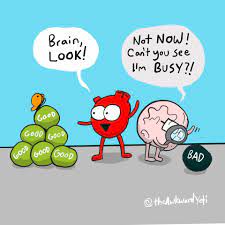

Why Our Brain Loves Bad News

Negativity bias is a psychological phenomenon that describes our brain’s tendency to give more weight to negative experiences, emotions, and information than to positive ones. It’s a deep-rooted survival mechanism that helped our ancestors stay alert to potential threats in their environment. While this bias served us well in the past, it can often hinder […]

Read more...

Not waving but drowning: Are we leading lives of quiet despair?

This blog was written by our friends at Uncommon Knowledge and has been reposted with permission. “The mass of men lead lives of quiet desperation.” – Henry David Thoreau Not waving but drowning Nobody heard him, the dead man,But still he lay moaning:I was much further out than you thoughtAnd not waving but drowning. Poor […]

Read more...

You’ve Heard Of PTSD – But What Is cPTSD?

Most people know of post-traumatic stress disorder or PTSD, which is characterised by symptoms of anxiety or depression as well as distressing flashbacks and intrusive thoughts. But have you heard of cPTSD or complex post-traumatic stress disorder? cPTSD arises in response to chronic traumatisation over a period of time. This is a diagnosis which is […]

Read more...

The Paradoxical Nature of Emotional and Physical Pain: The Quicksand Metaphor

When you fall into quicksand, your gut reaction is to struggle and swim to safety. Your fight-flight instincts will make you want to run away or fight it. However, both running and fighting will only make you sink faster. Trying to run from or fight off an experience INSIDE you, such as pain, will not […]

Read more...

Gratitude Journaling

A 2003 study compared the well-being of participants who kept a weekly list of things they were grateful for to participants who kept a list of things that irritated them. The researchers showed that the gratitude-focused participants exhibited increased well-being and brain activity conducive to mental health. The participants didn’t start out any more or less grateful than […]

Read more...
Menu